Closed-Circuit Faces: Archaeologies of the Face in Telepresence
Synopsis
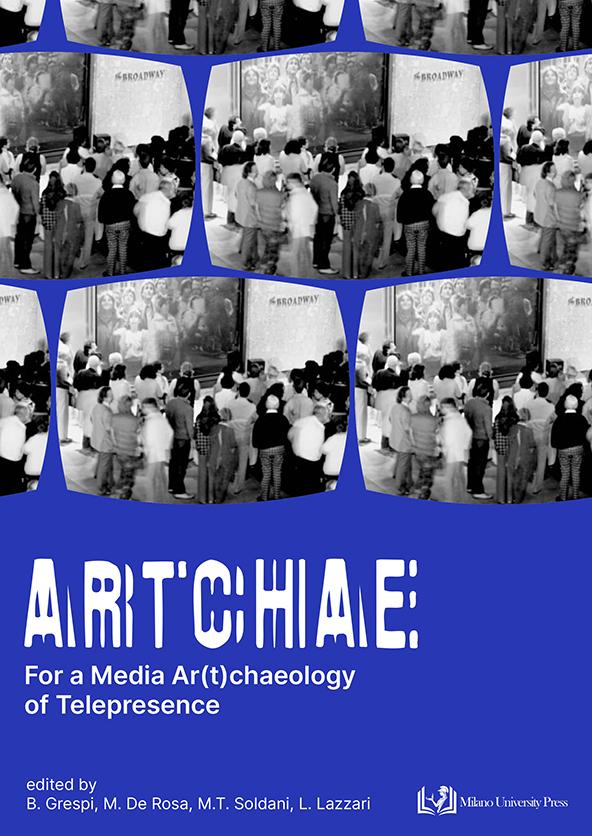
This article is the translation of an essay published in 2022 in the Italian journal VCS – Visual Culture Studies, and it contains the guiding hypothesis of the ARTCHAE research project. The authors examine the mediation of faces in videoconferencing apps, investigating the specificity of close-ups on Zoom, Meet, or Teams, to be understood both in relation to the mirror image—long central to processes of self-recognition—and within the genealogy of video, especially early experiments in the live mediation of faces and bodies in the video art of the 1970s. Secondly, this contribution explores the form of gaze conveyed by faces in telepresence, analyzing the non-reciprocity of glances and the constant self-checking distraction to which every participant is subject. In the background lies a broader archaeological question concerning contemporary applications of closed-circuit television (CCTV), across pictorial prefigurations, video art, and everyday media.
Pages
Published
Categories
License

This work is licensed under a Creative Commons Attribution-ShareAlike 4.0 International License.